

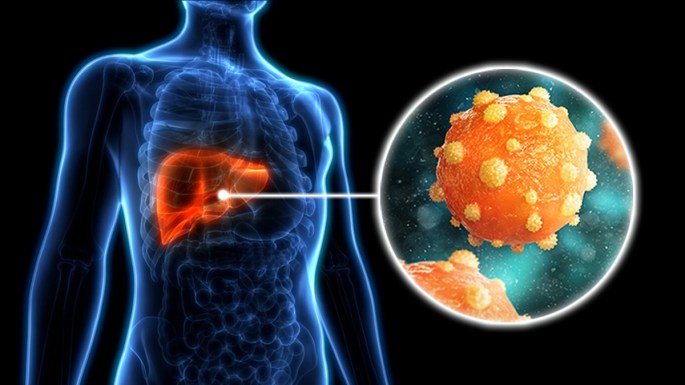
Hepatitis B is a serious liver infection caused by the Hepatitis B virus (HBV). It can lead to chronic liver disease, cirrhosis, and liver cancer if not diagnosed and managed properly. Since Hepatitis B often does not show symptoms in its early stages, raising awareness is essential to prevent its spread and protect liver health.
1. How Does Hepatitis B Spread?
Hepatitis B is highly contagious and spreads through contact with infected bodily fluids. Common ways of transmission include:
✔ From mother to baby during childbirth
✔ Unprotected sexual contact with an infected person
✔ Sharing needles or syringes (drug use, tattoos, or medical procedures with unsterile equipment)
✔ Blood transfusion with infected blood (though rare due to screening)
✔ Sharing personal items like razors, toothbrushes, or nail clippers with an infected person
2. Symptoms of Hepatitis B
Many people with Hepatitis B do not experience symptoms for years. However, when symptoms appear, they may include:
⚠ Fatigue and weakness
⚠ Yellowing of skin and eyes (jaundice)
⚠ Dark-colored urine
⚠ Loss of appetite and nausea
⚠ Pain in the upper right abdomen
If you experience these symptoms, consult a gastroenterologist or liver specialist immediately for testing and diagnosis.
3. Who is at Risk?
Some people have a higher risk of Hepatitis B infection, including:
✔ Newborns of infected mothers
✔ Healthcare workers exposed to infected blood
✔ People with multiple sexual partners
✔ Individuals undergoing dialysis or frequent blood transfusions
✔ People who share needles or get body piercings/tattoos in unregulated places
4. How to Prevent Hepatitis B?
✅ Hepatitis B Vaccination: The most effective way to prevent infection. It is given in 3 doses over 6 months.
✅ Practice Safe Sex: Always use condoms to reduce the risk of transmission.
✅ Avoid Sharing Needles or Personal Items: Never share razors, syringes, or other sharp objects.
✅ Screening During Pregnancy: Pregnant women should get tested to prevent transmission to the baby.
✅ Use Sterile Medical Equipment: Ensure all injections, dental, and tattooing instruments are properly sterilized.
5. Hepatitis B Diagnosis and Treatment
Diagnosis:
Hepatitis B can be diagnosed through blood tests, which check for:
🔹 HBsAg (Hepatitis B surface antigen): Indicates active infection
🔹 HBV DNA Test: Measures the amount of virus in the blood
🔹 Liver Function Tests: To check for liver damage
Treatment:
🔸 Acute Hepatitis B (short-term infection) usually clears on its own with supportive care.
🔸 Chronic Hepatitis B (long-term infection) may require antiviral medications to reduce liver damage and prevent complications like cirrhosis or liver cancer.
6. Living with Hepatitis B
If you are diagnosed with chronic Hepatitis B, follow these steps to protect your liver and others around you:
✔ Take medications as prescribed by your doctor.
✔ Eat a healthy diet and avoid alcohol to reduce liver strain.
✔ Regular liver checkups to monitor liver function and detect complications early.
✔ Inform close contacts and encourage them to get vaccinated.
Conclusion
Hepatitis B is preventable and manageable with proper awareness, vaccination, and early diagnosis. Taking the right precautions can help stop its spread and protect liver health.
🛡 Get vaccinated, stay informed, and take care of your liver!
Consult Gastroenterologist in Gorakhpur
Dr Rishabh Gupta, DM Gastro
Gastroenterologist
Liver specialist
Annapurna Hospital
For appointment, contact 8545022539, 7607045467
Dr Rishabh Gupta, DM Gastro, Gastroenterologist (Annapurna Hospital, Gastro Liver and Multispeciality)
 Dr. Rishabh Gupta - Best Gastroenterologist In Gorakhpur